Table of Contents
What is Pharmaceutical Labeling?
Pharmaceutical labeling refers to the process of applying printed information onto pharmaceutical packaging, such as bottles, vials, ampoules, syringes, cartons, and blister packs. These labels are not only for branding purposes but also for regulatory compliance, product identification, and patient safety.
In the pharmaceutical industry, labeling plays a critical role in ensuring that every product can be accurately traced, identified, and verified throughout the supply chain. Unlike general consumer product labeling, pharmaceutical labeling must meet strict international standards, including GMP (Good Manufacturing Practice), FDA regulations, and EU pharmaceutical directives.
Pharmaceutical Labeling Requirements
Pharmaceutical labeling requirements are strictly regulated across global markets. Manufacturers must ensure that every label meets legal, safety, and traceability standards before products are released to the market.
1. GMP Compliance
Good Manufacturing Practice (GMP) is a foundational requirement for pharmaceutical production. Labeling systems must be designed to prevent contamination, ensure accuracy, and maintain full traceability of every product batch.
2. FDA and EU Regulations
In regulated markets such as the United States and Europe, pharmaceutical labeling must comply with FDA 21 CFR Part 201 and EU Directive 2001/83/EC. These regulations require:
- Clear and readable product information
- Tamper-evident labeling
- Unique identification codes
- Serialization for anti-counterfeiting purposes
3. Accuracy and Traceability
Every pharmaceutical label must ensure:
- No mislabeling or duplication
- Real-time batch tracking
- Integration with ERP or MES systems
Traceability is especially important in modern pharmaceutical supply chains, where products may pass through multiple countries before reaching patients.
3. Anti-counterfeit Requirements
With the rise of counterfeit drugs, pharmaceutical labeling systems must support:
- Serialization codes
- Tamper-proof labels
- Digital authentication (QR / DataMatrix codes)
These requirements have significantly increased demand for high-precision pharmaceutical labeling machines and integrated labeling systems.
Labeling Applications in Pharmaceutical Industry
Pharmaceutical labeling machines are widely used across different types of packaging formats in the industry. Each application requires specific handling methods, precision levels, and machine configurations.
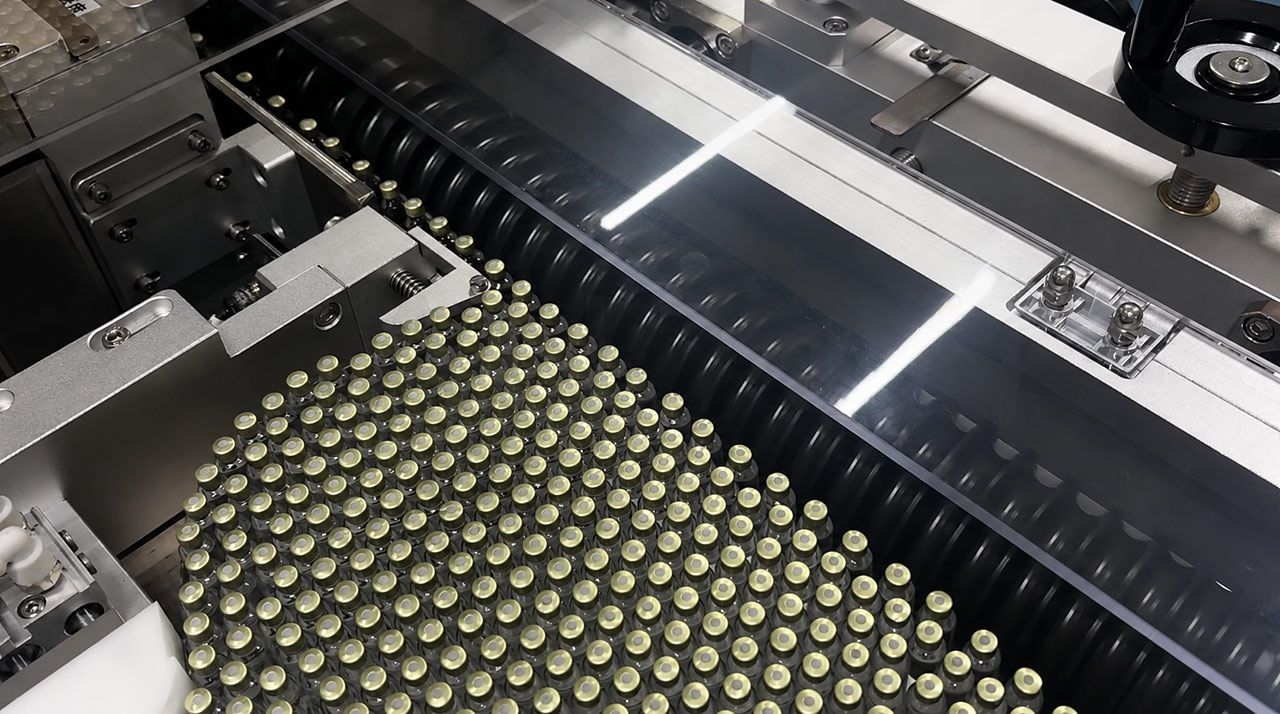
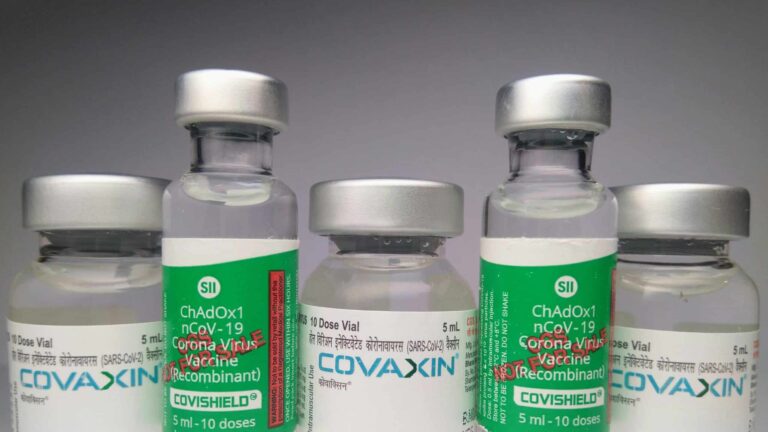
Vial and Ampoule Labeling
Small cylindrical containers such as vials and ampoules require extremely high labeling accuracy. Even a slight deviation can affect readability or cause rejection during inspection.
Applications include:
- Vaccine vials
- Injection ampoules
- Injectable drug containers
Syringe Labeling
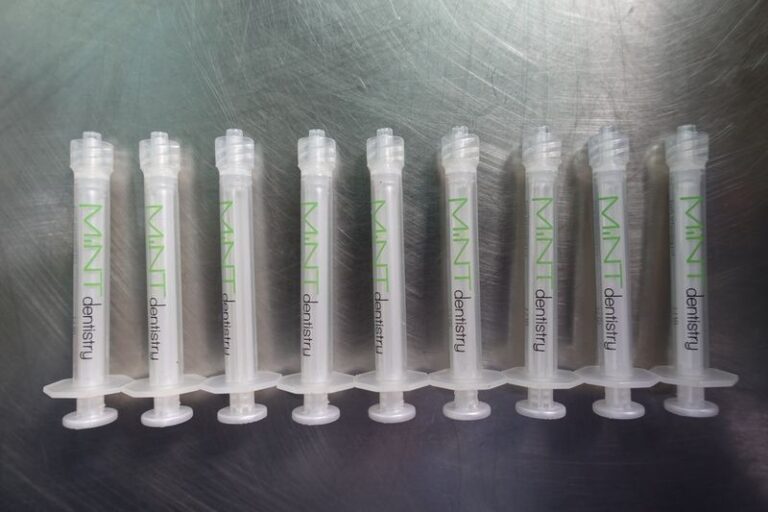
Pre-filled syringes require wrap-around or front-back labeling depending on design. Machines must ensure smooth application without damaging sterile surfaces.
Bottle Labeling
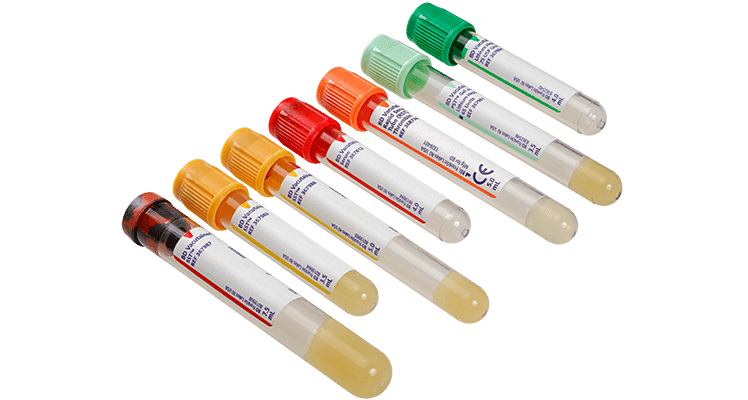
Pharmaceutical bottles used for tablets, capsules, and syrups are among the most common applications. Labeling systems must support:
- Round bottles
- Flat bottles
- Oval bottles

Tube and Cream Packaging
Ointment tubes and medical creams require flexible labeling systems capable of handling soft packaging materials without deformation.
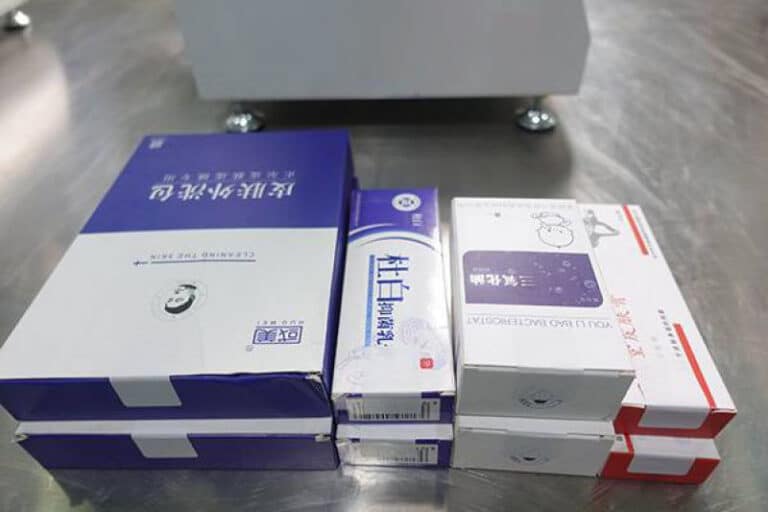
Box and Secondary Packaging
Carton labeling is essential for retail packaging and logistics tracking. It often includes barcodes, batch numbers, and branding information.
Types of Pharma Labeling Equipment
Pharmaceutical labeling equipment can be divided into several categories depending on automation level, production scale, and application requirements.
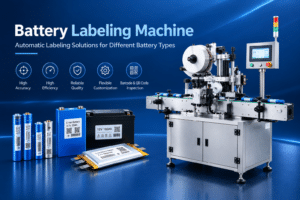
Automatic Pharmaceutical Labeling Machine
Automatic vial labeling machines are widely used in large-scale pharmaceutical production lines. These machines offer high-speed, high-precision labeling with minimal human intervention.
Key features include:
- Fully automated operation
- High-speed labeling (up to thousands of units per hour)
- Integration with production lines
- Real-time inspection systems
Semi-automatic Labeling Machine
Semi-automatic machines are suitable for small batch production or laboratory environments. Operators manually place products while the machine performs labeling.
Advantages:
- Lower cost investment
- Flexible operation
- Easy maintenance
High-Precision Labeling System
High-precision systems are designed for applications requiring extremely accurate label placement, such as vials and ampoules. These systems often include:
- Vision inspection systems
- Servo motor control
- Automatic rejection units
Many pharmaceutical companies require customized solutions tailored to specific production lines. These systems may include:
- Multi-machine integration
- Conveyor synchronization
- Printing and labeling combination systems
- Serialization and tracking modules
Key Features of Pharmaceutical Labeling Machine
Modern pharmaceutical labeling machines are designed to meet strict industry requirements while maintaining high efficiency and accuracy.
High Labeling Accuracy
Most advanced machines achieve labeling accuracy within ±0.5mm, ensuring consistent and professional application on every product.
GMP-Compliant Design
Machines are built using stainless steel (304 or 316L) to meet hygiene standards and prevent contamination in pharmaceutical environments.
Servo Motor Control System
Servo-driven systems provide stable operation, precise control, and reduced mechanical wear, improving long-term reliability.
Barcode and QR Code Integration
Modern systems support real-time printing and application of barcodes and QR codes for full traceability and anti-counterfeiting purposes.
Vision Inspection System
Optional camera-based inspection systems can detect:
- Misaligned labels
- Missing labels
- Incorrect positioning
Rejected products are automatically removed from the production line.
Flexible Product Changeover
Machines are designed for quick adjustment between different bottle sizes and shapes, reducing downtime in production.