In today’s competitive manufacturing environment, improving packaging efficiency is essential for reducing costs and increasing output. One of the most effective ways to achieve this is by using an automatic label applicator.
Whether you are in the food, beverage, pharmaceutical, or cosmetics industry, automated labeling solutions can significantly enhance your production line performance.
Inhaltsverzeichnis
01
What Is an Automatic Label Applicator?
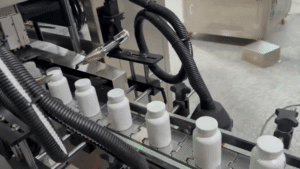
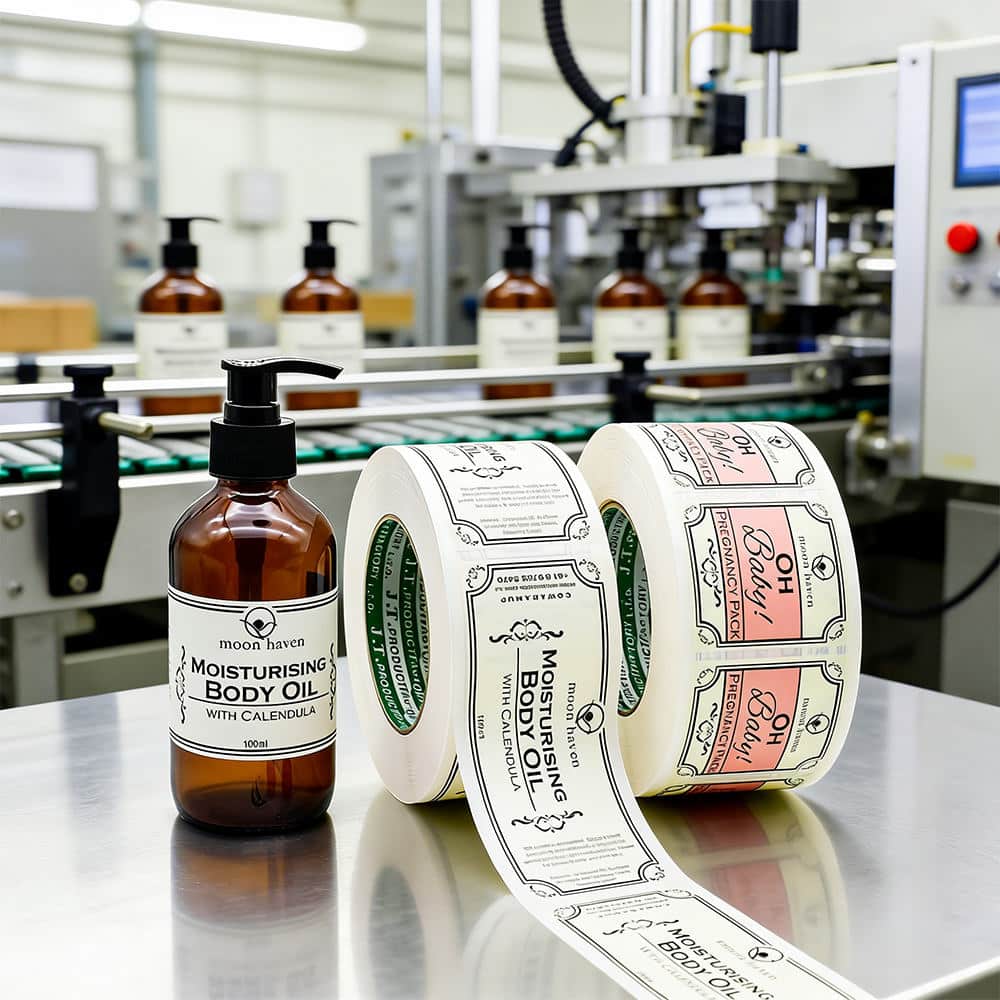
An automatic label applicator is a machine designed to apply labels to products or packaging automatically without manual intervention.
These machines are commonly integrated into production lines and can handle a wide range of product shapes, including bottles, boxes, bags, and flat surfaces.
02
How Automatic Label Applicators Improve Efficiency
1. Increased Production Speed
Manual labeling is slow and inconsistent. Automatic labeling machines can operate continuously at high speeds, dramatically increasing output.
- Suitable for high-volume production
- Reduces bottlenecks in packaging lines
2. Consistent Label Placement
Consistency is critical for brand image and compliance.
Automatic label applicators ensure:
- Precise positioning
- Uniform appearance
- Reduced human error
3. Lower Labor Costs
By automating the labeling process, businesses can:
- Reduce dependence on manual labor
- Reallocate workers to higher-value tasks
- Improve overall operational efficiency
4. Reduced Waste and Errors
Incorrect labeling leads to product waste and rework.
Automation helps:
- Minimize label misalignment
- Reduce material waste
- Improve production accuracy
03
Types of Automatic Label Applicators
Choosing the right type depends on your product and packaging requirements.
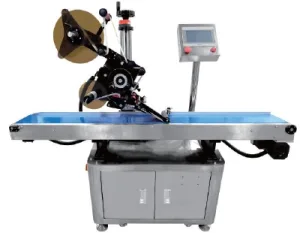
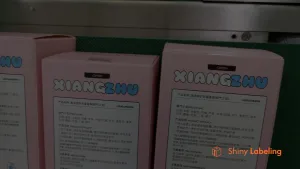
Ideal for Cards, Parcel Boxes Logistics Parcels
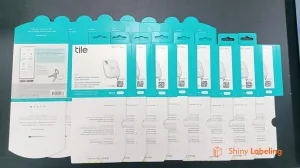
Ideal for Boxes Cartons Flat containers
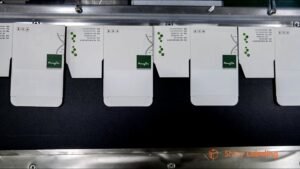
Suitable for Food trays
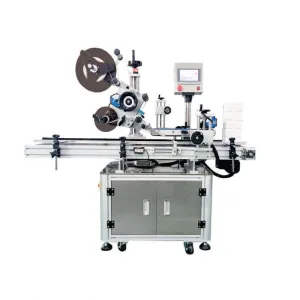
Ideal for the closure of Boxes, Cartons
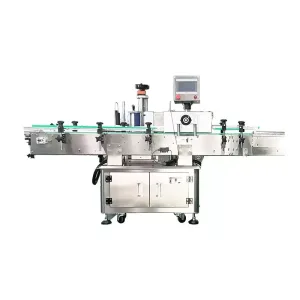
Designed for round bottles or Cylindrical containers
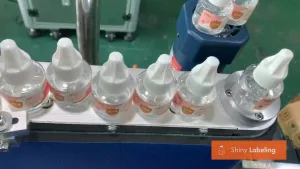
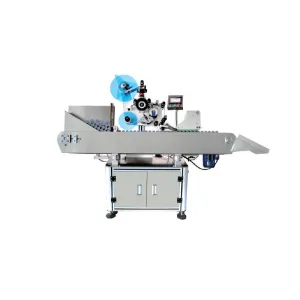
Designed for Narrow and small diameter of tubes in bio-pharmaceutical and medicine

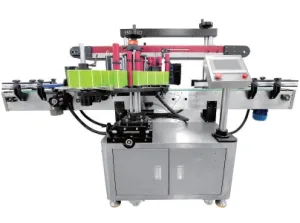
Designed for flat sided or Oval-Shaped Bottles, Jars

Suitable for Food trays

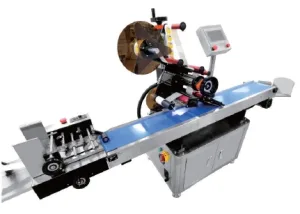
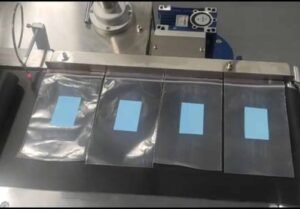
Perfect for Stand-up pouches
04
Key Features to Consider
When selecting an automatic label applicator, consider the following:
Flexibilität
- Can it handle multiple product sizes?
Speed
- Does it meet your production capacity?
Integration
- Can it connect with your existing production line?
Control System
- PLC and touchscreen for easy operation
05
ROI: Is It Worth the Investment?
Cost Savings
- Reduced labor costs
- Lower material waste
Productivity Gains
- Faster production cycles
- Increased output
Improved Product Quality
- Professional and consistent labeling
06
Implementation Tips
To successfully introduce an automatic label applicator:
- Evaluate your production needs
- Choose the right machine type
- Train your staff
- Work with a reliable supplier
07
Future Trends in Labeling Automation
The labeling industry is evolving with new technologies:
- Vision inspection systems
- Smart tracking and data integration
- AI-driven automation
- Eco-friendly labeling solutions
08
Conclusion
An automatic label applicator is more than just a machine—it’s a strategic investment that improves efficiency, reduces costs, and enhances product quality.
If you’re looking to upgrade your packaging line, now is the time to consider automation.